Engage with Thought-Provoking Insights
Explore compelling content that bridges Biblical truths with scientific discovery, enriching your faith and knowledge.
Explore this question about the Garden of Eden
Question: Have you ever wondered what the Garden of Eden was like? Was it like our National Parks with beautiful mountains and waterfalls?
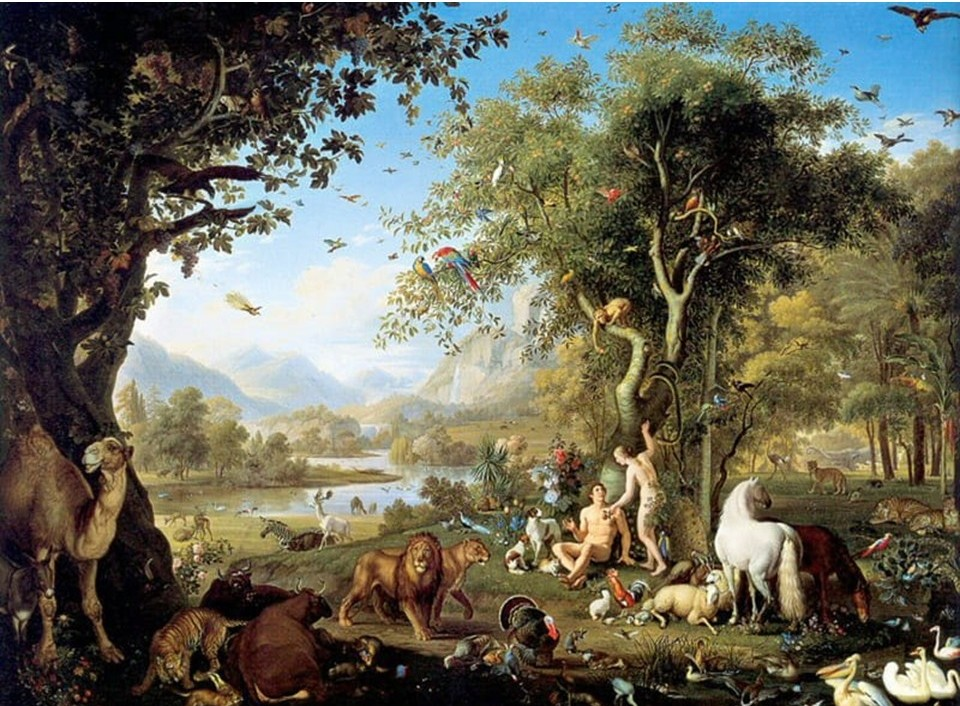
The Bible does not go into detail describing the Garden of Eden (G0E). But, there are enough snippets of information scattered through the creation account that we can piece together a pretty clear picture of what it was like.
One of the fundamental basis for evolution is the slogan that Charles Lyell made famous, “The Present is the Key to the Past.” Even creationists, who reject that notion and hold to the “Past is the Key to the Present” cannot help but be influenced by the ‘present.’ The Garden of Eden was so vastly different than anything we have on the earth today that even creationists can have trouble envisioning what it would be like geomorphologically, hydrologically, and climatologically.
What Do We Know?
- All creatures were commanded to multiply and fill the earth. Gen 1:22, 28
- All creatures were commanded to be vegetarians. Gen 1:29-20
- Original Creation was “very good” which we would call perfect until man sinned. Gen 1:31
- There was no rain but the “a MIST went UP from the earth, and watered the WHOLE FACE of the ground.” Gen 2:6.
- There was only One river in GoE that parted into Four rivers. Gen 2:10
- There was gold and gem stones Gen 2:11-12
- The animals lived in peace with man, no predator-prey or animosity between man and animals. Gen 2:19-20.
- The climate was mild all day and night because Adam and Eve were naked with no need for clothes. Gen 3:7
- Man sin and all creation was cursed. Gen 3, Rom 8:19-22
- First mention of rain is at the start of the flood. Gen 7:11.
- First mention of hills, then mountains is during the flood after God broke up the fountains of the deep. Gen 7:19-20
- After the flood there is first mention of temperature and climate changes. Gen 8:22
God does not see things like we do, He does not think like we do.
So if you had told all animals and people to multiply and fill the earth but you can only eat plants how would you design the earth? Would you make it only 30 % land and about 50% of that land being mountains as it is today.
Jesus was the Creator (John 1:1, Col 1:15-17). And Jesus spoke about how it takes good soil to produce an abundance of food but rocky ground does not, how do think He would create the earth (Matthew 13:3-8).
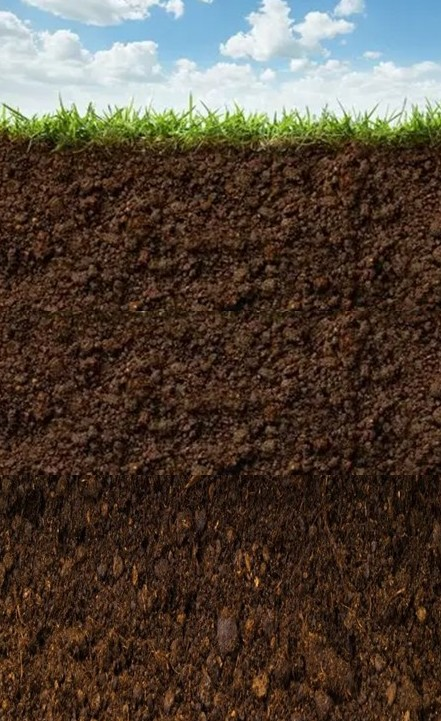
Even if the whole earth is covered in ‘good soil,’ as I believe it was, it takes water to be productive. Note that the Bible specifically says that a mist rose, it did not come down from the upper atmosphere. And note that the mist watered not local areas or for a short period of time but watered the WHOLE EARTH continuously until the flood. For a mist to rise daily every day requires a shallow water table that extends so extensively deep into the ground that it is not depleted. Water moves upward from the shallow water table as solar heating of the surface pumps the moisture into the atmosphere.
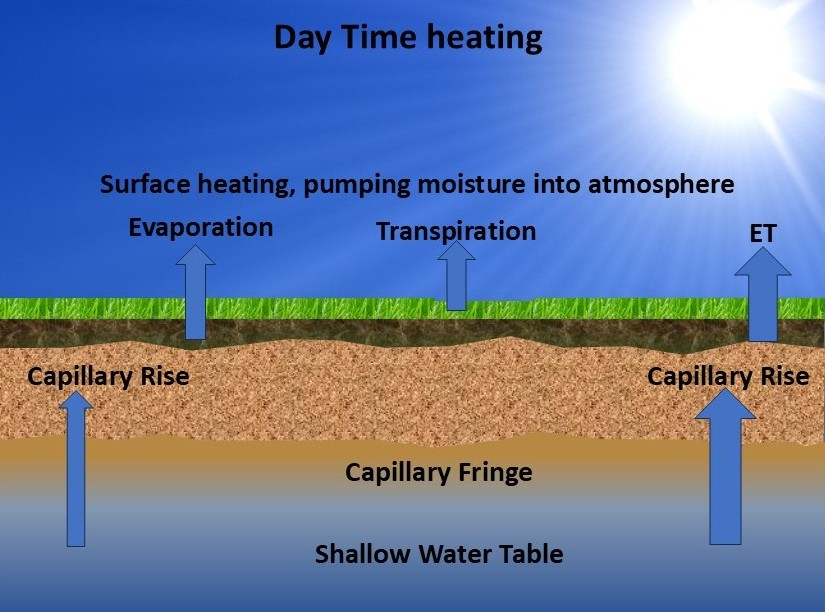
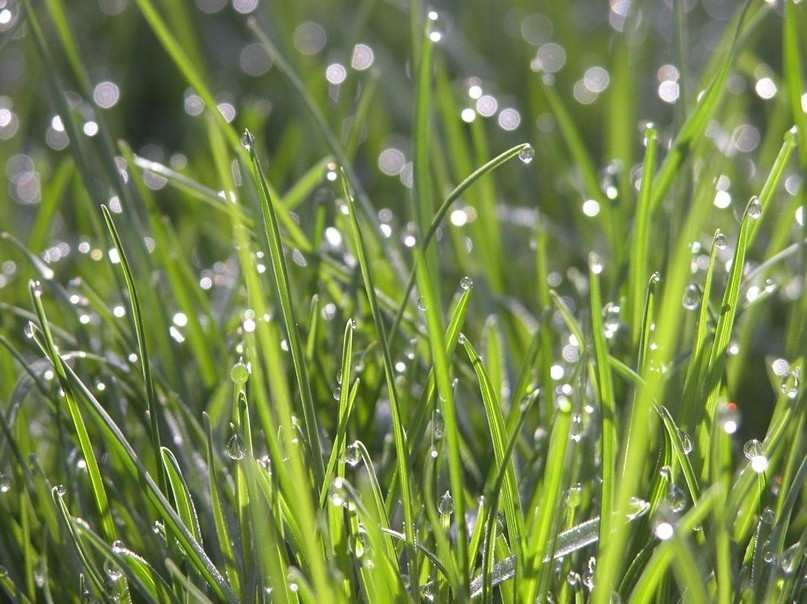
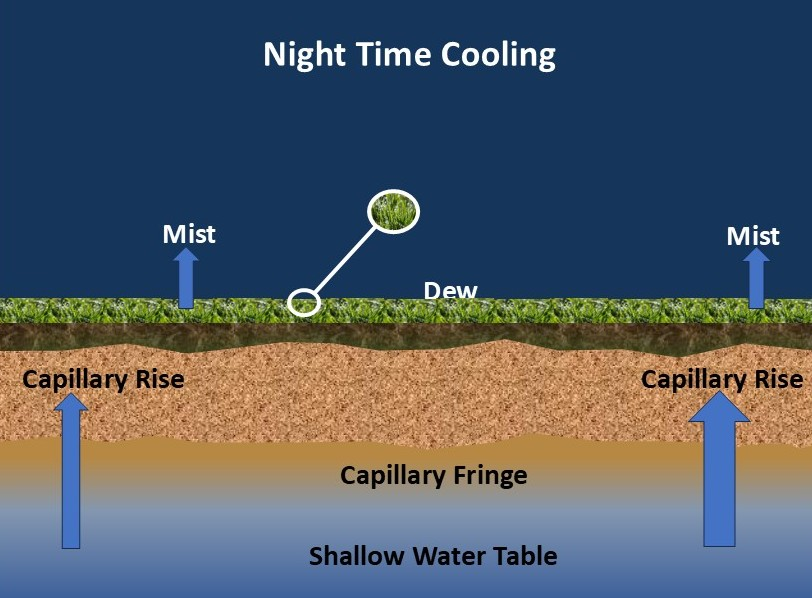
Cooling over-night causes condensation near the surface into a mist in the mornings which would rise. However, for this to occur over an extensive area requires hydrologic connectivity across the landscape. So for the whole earth to have a mist rising, that is hydrologic connectivity across the whole earth, the earth’s surface must be nearly. Hills and mountains would create discontinuities in the water table, or sufficient deepening that the higher landscapes would not produce a mist.
Nearly Level Land
Another indication that the land was nearly level is that with differences in elevation you get differential heating of the surface as the higher and eastern facing slopes would heat first in the mornings while the valleys remained cool. This difference in temperatures causes differences in air pressure, thereby producing wind. Wind suspends particulate matter and the result will be condensation in the atmosphere and thus, rainfall.
Rain Produces Soil Erosion
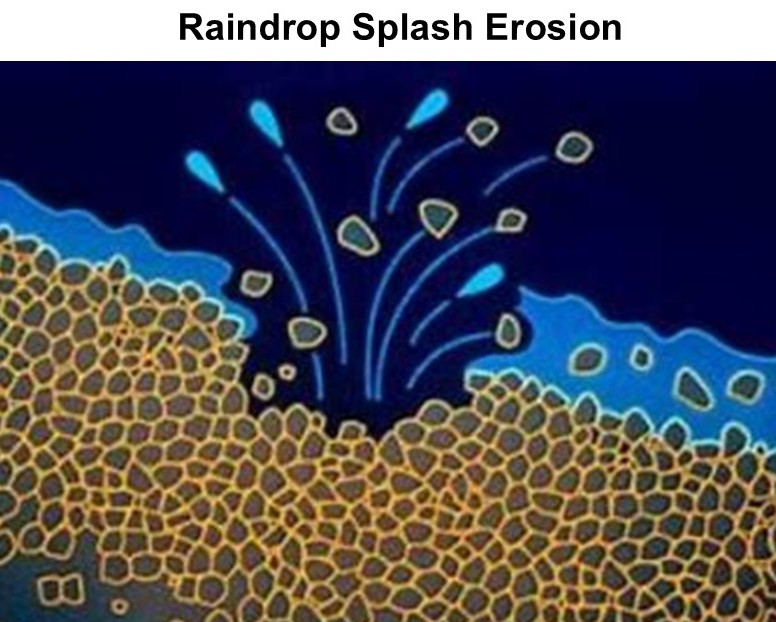
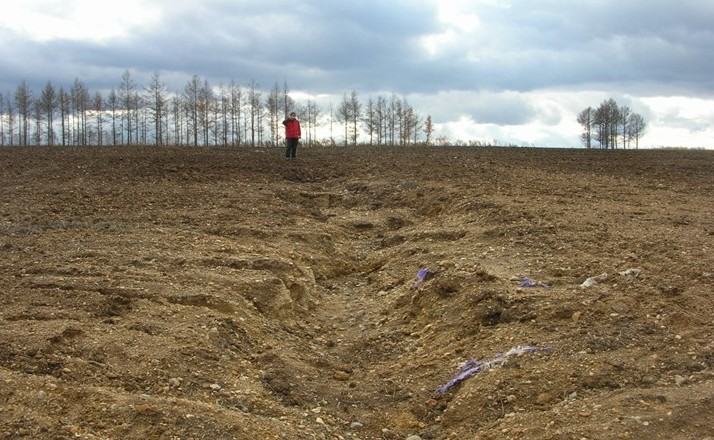
Rainfall will produce erosion and you get not only degradation of the land but degradation of surface water quality as sediment and sediment-bound nutrients are transported downslope.
Were There Waterfalls
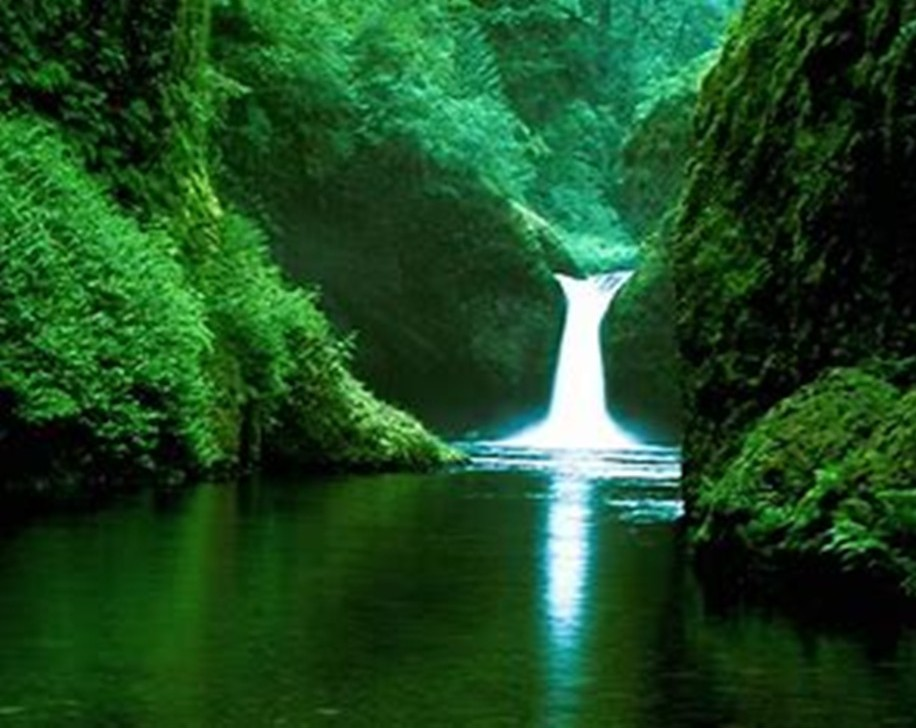
Waterfalls are among the most beautiful features of God’s creation. Almost all artistic renditions of the GoE include a waterfall but were there waterfalls in the GoE. Did you know waterfalls are an extreme erosion feature. They are a knick-point in a stream and the plunge pool below the fall is a feature of extreme erosion. Erosion is a degradation process and CERTAINLY not a feature of a “very good” earth.
A waterfall in the GoE is like drawing a picture of Eden with dead trees and dead animals
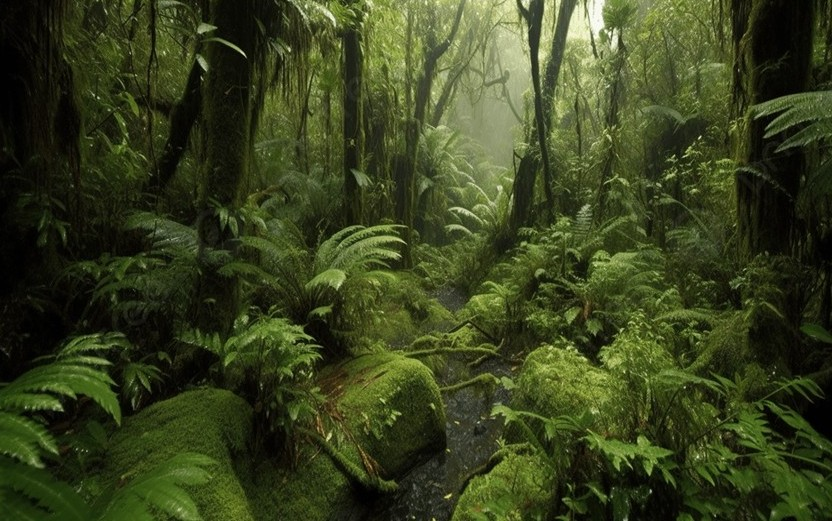
Good Soil, uniform topography, shallow water table, cool mist rising each morning, no wind, no rain, no erosion, minor temperature fluctuations.
Garden of Eden was “Very Good”
Perfect Climate: No Rain, No Storms, No Cold or heat, No Need for Clothes
Lush Vegetation: Plentiful Food, Easy Work with Perfect Boss
No Death or Disease: No Biting Insects and Only Friendly Animals
Discover Insightful Truths with CSM
The question of what was the Garden of Eden like is clear. It was “VERY GOOD.” But sorry, no waterfalls.
Science is consistent with the Bible’s description of the Garden of Eden.